Last Updated Dec - 03 - 2025, 11:26 AM | Source : Fela News | Visitors : 207
Government clarifies NEP 2020 won merge CBSE with state boards autonomy retained for each.
In a statement before Parliament, the Ministry of Education has clarified that the National Education Policy 2020 (NEP 2020) does not propose merging the Central Board of Secondary Education (CBSE) and various state school-boards into one uniform national board.
Responding to queries in the Lok Sabha, the Minister of State for Education, Jayant Chaudhary, stressed that under NEP 2020, boards will continue to function independently within their jurisdictions allowing CBSE, ICSE (where applicable), and each state’s education board to maintain their separate identity and administrative control.
What NEP does bring is a harmonized academic structure. The policy recommends replacing the old “10 + 2” system with a “5 + 3 + 3 + 4” model of school education. This format is meant to ensure age-appropriate learning, flexibility, and a broader developmental approach.
Additionally, a central assessment authority, PARAKH (Performance, Assessment, Review and Analysis of Knowledge for Holistic Development), has been established. PARAKH will define norms and guidelines for student evaluation making sure assessments across different boards maintain credibility, while respecting board autonomy.
This clarification brings relief to many parents, teachers, and education administrators who feared a sweeping overhaul that would eliminate regional boards and force a one-size-fits-all model. With more than 60 school boards across India central and state such a change would have been massive.
What remains vital now is smooth coordination: schools under different boards will have to adapt to the new structural format, align their curricula, and follow new assessment norms defined by PARAKH. But the reassurance of independence for CBSE, ICSE, and all state boards could help maintain linguistic, regional and administrative diversity in India’s schooling ecosystem.
In short, NEP 2020 may bring structural reforms but it respects the traditional autonomy of India’s many school boards. As the academic community braces for transition, this balance between reform and decentralization may well be key to ensuring smoother adoption.

Jun - 12
A LinkedIn post about a Gen Z employee refusing to attend a 9 PM meeting has gone viral, sparking a fresh debate on work-life balance and workplace... Read More
Jun - 09
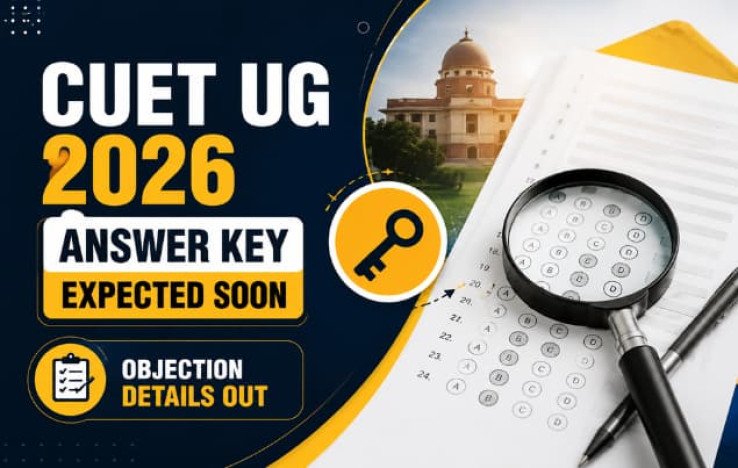
CUET UG 2026 Answer Key: The National Testing Agency (NTA) is expected to release the CUET UG 2026 provisional answer key soon on its official webs... Read More
Jun - 09
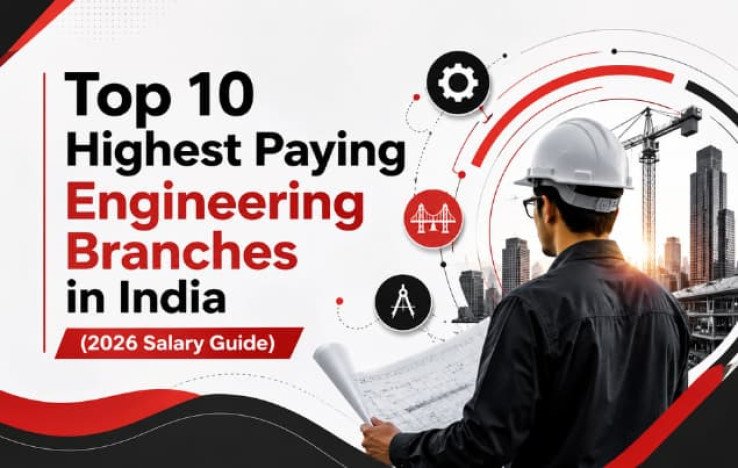
JEE Advanced 2026 results declared and counselling in progress, students are now deciding which engineering branch to choose for their future caree... Read More