Last Updated Aug - 26 - 2024, 09:41 PM | Source : NEWS18 | Visitors : 71
The Ministry of Education has urged states and UTs to enforce the 2021 School Safety Guidelines, emphasizing a zero tolerance policy towards negligence in child
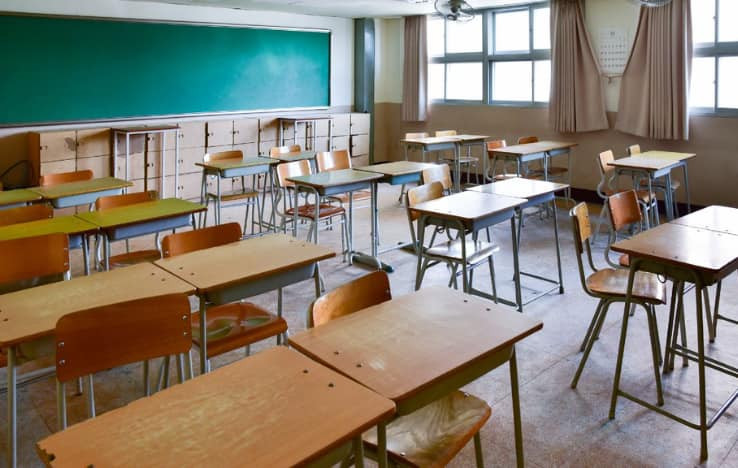
The Ministry of Education has issued instructions to all the states and union territories (UTs) to implement the “Guidelines on School Safety and Security-2021” to enhance the safety of children in educational institutions. This step follows the instructions of the Supreme Court in the Writ Petition (Criminal) No. 136 of 2017 and Writ Petition (Civil) No. 874 of 2017, Department of School Education and Literacy (DoSEL).
The guidelines, aligned with the Protection of Children from Sexual Offences (POCSO) Act, are designed to establish clear accountability for school management in government, government-aided, and private schools. Some of the key aspects include preventive education, reporting process, legal provisions, support services, and the creation of a safe environment conducive to learning. The ministry has requested states and union territories to provide an update on the notification status of these guidelines in their jurisdiction.
The guidelines were issued on October 1, 2021. The advisories issued provide flexibility to the states to tailor them as per local requirements. They emphasize a ‘zero tolerance policy’ towards negligence about child safety. “A key purpose is to emphasize the ‘Zero Tolerance Policy’ against any negligence on the part of any individual or management when it comes to the safety and security of children in schools,” reads the official notice by the ministry.
These guidelines aim to create understanding among all stakeholders including students and parents on the need to co-create a safe and secure school environment for the holistic development of children and to make various stakeholders aware of the acts, policies, procedures, and guidelines already available for various aspects of safety, that is physical, socio-emotional, cognitive and natural disasters.
The guidelines are designed to empower various stakeholders and enable clarity on their role in the implementation of the same. It aims to place accountability on school management and principals and teachers in private/unaided schools and the head/head-in-charge of the school, teachers, and education administration in case of government/government-aided schools for keeping children safe in schools (even while children are commuting to and from school or returning to their homes in school transport).
READ MORE| AICTE Launches Scholarship Program for Female Students in BBA, BCA, and BMS Programs

Jun - 12
A LinkedIn post about a Gen Z employee refusing to attend a 9 PM meeting has gone viral, sparking a fresh debate on work-life balance and workplace... Read More
Jun - 09
CUET UG 2026 Answer Key: The National Testing Agency (NTA) is expected to release the CUET UG 2026 provisional answer key soon on its official webs... Read More

Jun - 09
JEE Advanced 2026 results declared and counselling in progress, students are now deciding which engineering branch to choose for their future caree... Read More