Last Updated Dec - 13 - 2025, 11:42 AM | Source : Fela News | Visitors : 69
Union Cabinet clears single regulator replacing UGC, AICTE, NCTE under new education reform bill.
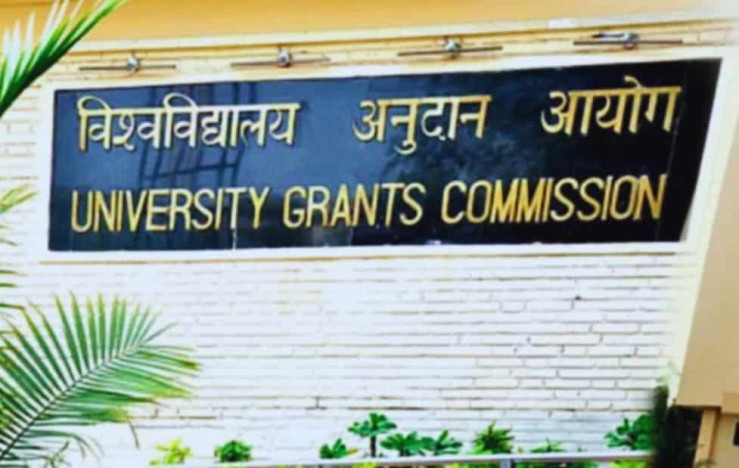
In a major shift aimed at streamlining India’s higher education landscape, the Union Cabinet has approved the creation of a single overarching regulator that will replace three long-standing bodies the University Grants Commission (UGC), All India Council for Technical Education (AICTE), and National Council for Teacher Education (NCTE). The move marks a significant milestone in implementing the National Education Policy (NEP) 2020, which envisions a more unified regulatory framework to drive quality and accountability in higher education.
The new regulator, to be known as Viksit Bharat Shiksha Adhikshan, is designed to handle key responsibilities such as regulation, accreditation, and professional standards across most higher education institutions. However, medical and law colleges will remain outside its immediate purview and continue to be governed by specialised regulatory entities.
For decades, the existence of multiple statutory bodies overseeing different aspects of university and college governance has been seen as a source of bureaucratic overlap and inefficiency. Institutions often navigated a complex web of rules and standards that varied depending on the discipline or type of programme a situation critics argued hampered innovation and slowed reform. By consolidating these functions under one authority, policymakers are betting on reduced red tape and improved alignment with national developmental goals.
Proponents of the reform say that a single regulator will bring greater clarity and flexibility, enabling universities and colleges to adapt more quickly to evolving academic and industry needs. They also argue it will strengthen academic autonomy while ensuring consistent quality benchmarks across diverse educational settings. Moreover, a unified approach is expected to make it easier for students to navigate higher education options from liberal arts to professional courses without facing regulatory confusion.
However, some educators and policy analysts caution that centralising regulatory authority might pose its own challenges. Ensuring academic freedom, preventing over-centralisation of power, and maintaining a balance between standardisation and institutional diversity are key concerns that will need careful management as the new entity takes shape.
The Cabinet’s approval paves the way for the bill to be introduced in Parliament, where detailed debates and legislative scrutiny will follow. If passed, the new framework could signal one of the most significant overhauls in India’s higher education governance in years an effort to make the system more competitive and aligned with global standards.
As students, educators, and institutions prepare for these changes, many are watching closely to see how the regulator will balance the aspirations of quality and equity with the practical realities of implementation across the nation’s vast higher education ecosystem.

Jun - 12
A LinkedIn post about a Gen Z employee refusing to attend a 9 PM meeting has gone viral, sparking a fresh debate on work-life balance and workplace... Read More
Jun - 09
CUET UG 2026 Answer Key: The National Testing Agency (NTA) is expected to release the CUET UG 2026 provisional answer key soon on its official webs... Read More

Jun - 09
JEE Advanced 2026 results declared and counselling in progress, students are now deciding which engineering branch to choose for their future caree... Read More