Last Updated Oct - 26 - 2024, 04:57 PM | Source : NDTV | Visitors : 298
The Indian Institute of Science, Bengaluru, invites faculty members from Karnataka universities to apply for grants up to Rs 15 lakh under the Q-Pragathi-II Min
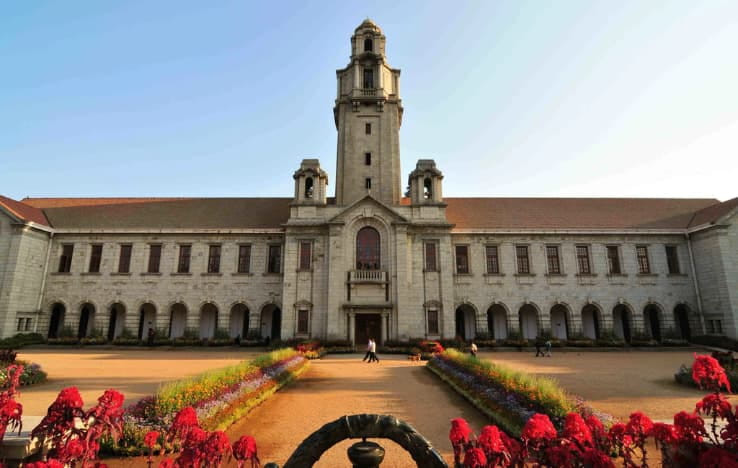
The Indian Institute of Science (IISc), Bengaluru, is inviting proposals from faculty members of Karnataka universities under its Mini Project scheme. Eligible faculty can submit their proposals via the official website by November 6, 2024, at 11.59pm. Selected candidates will have the opportunity to receive research grants of up to Rs 15 lakh.
Q-Pragathi-II Mini Project Scheme
Eligibility Criteria: To qualify, the Principal Investigator (PI) must be a faculty member at a university or an affiliated institution in Karnataka.
Proposal Submission Guidelines
Faculty members interested in applying must adhere to the following format when submitting their proposals:
Additionally, the funding program will give participating students stipends:
Undergraduate Students (Ongoing): Interns receive Rs 10,000 per month
Completed undergraduate students: Rs 20,000 per month for a project-based full-time job
Interns for Postgraduate Students (Ongoing): Rs 15,000 per month
Postgraduate Students (Finished): Rs 25,000 per month for a project job that is full-time
Pay for postdoctoral fellows in accordance with DST and Indian government regulations
By encouraging faculty members to collaborate on research and to be creative, IISc hopes to improve scientific knowledge and development in Karnataka’s educational system.
READ MORE| Prof. Mazhar Asif Appointed as Jamia’s New VC

Jun - 12
A LinkedIn post about a Gen Z employee refusing to attend a 9 PM meeting has gone viral, sparking a fresh debate on work-life balance and workplace... Read More
Jun - 09
CUET UG 2026 Answer Key: The National Testing Agency (NTA) is expected to release the CUET UG 2026 provisional answer key soon on its official webs... Read More

Jun - 09
JEE Advanced 2026 results declared and counselling in progress, students are now deciding which engineering branch to choose for their future caree... Read More